

Approximately six years ago I had documented how Islam was on the rise in Japan. Then several years later I wrote an article showing how the Japanese Tourism Agency was planning on catering to Muslims in order to attract more Muslim tourists to the country. And unfortunately earlier this year showed how the Muslim population is clearly on the rise in Japan.
Today we get some good news from the Land of the Rising Sun though. Which is that non–Muslims are already getting fed up with the Muslim population there.
Japan’s anti-Muslim sentiment turns its sights on mosques
In late 2025, a plan to build a mosque in Fujisawa, Japan suddenly drew intense opposition. An online petition to stop the construction gathered more than 32,000 signatures, raising nearly one million yen (US$6150) in donations. Since then, there have been protests directed at the Fujisawa city government for authorising the project despite it meeting all necessary requirements.
That is the problem. Muslims continue to use the freedoms of non-Islamic countries in order to slowly change the country to suit Islam. AKA Muslims don’t give a damn about what non-Muslims want.
Though the Fujisawa mosque project emerged as a flashpoint in debates around Muslims in Japan in 2025, Muslims have been part of Japanese society for more than a century. The first mosque in Japan — the Kobe Mosque — was founded in 1935, with an estimated 167 mosques nationwide as of 2025. The population of Muslims in Japan has increased rapidly over the last decade, estimated at around 420,000 as of the end of 2024, making up approximately 0.3 per cent of Japan’s population.
How long Muslims have been in a country is such a copout. Because Muslims are clearly rising in power across the world. Just like what percentage of the population they are. For the same reason.
Surveys on Japanese perceptions of Islam and Muslims from the 2000s to the early 2010s reveal predominantly negative views. A 2011 survey showed that more than 70 per cent of respondents disagreed with positive descriptions of Islam like ‘advanced’, ‘tolerant’ and ‘peaceful’. But these negative perceptions did not necessarily lead to the kind of large-scale opposition to Muslim communities seen today.
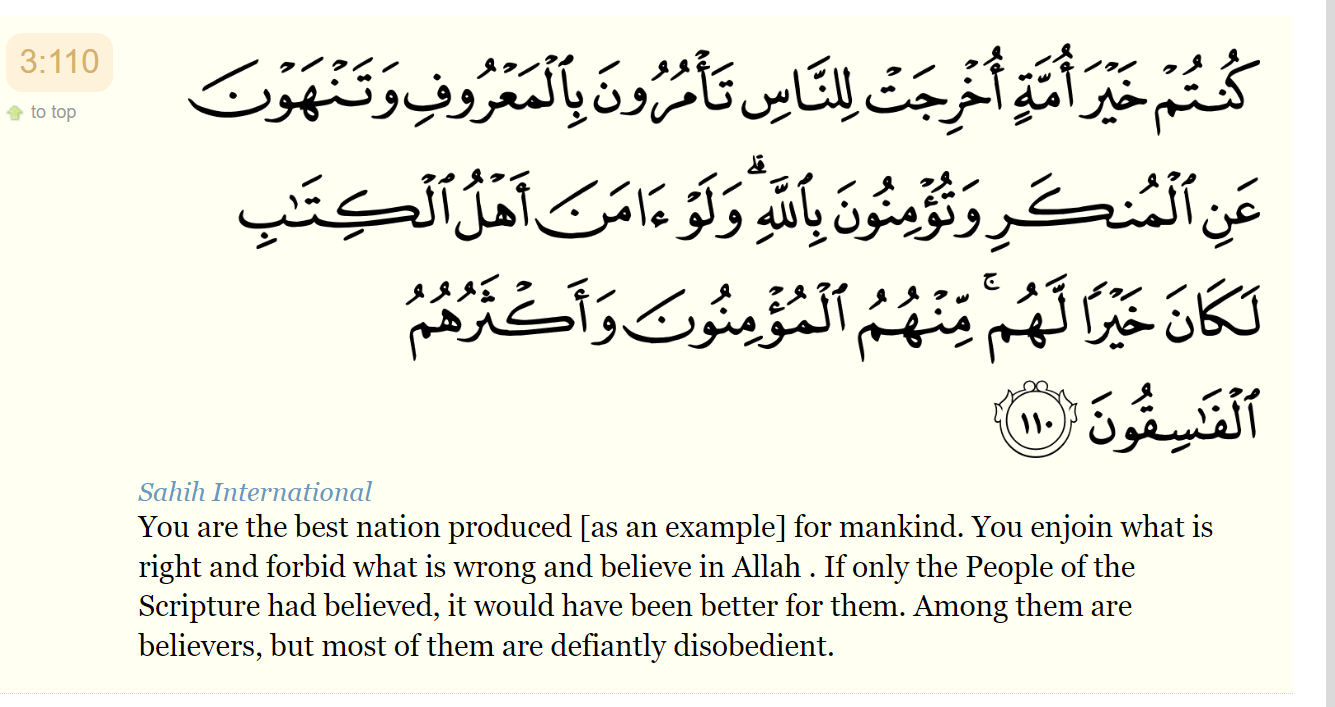
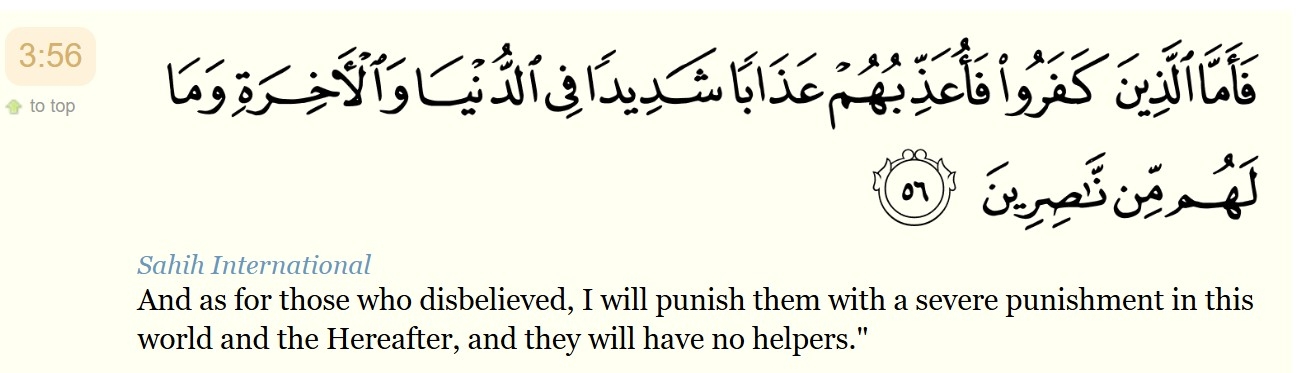
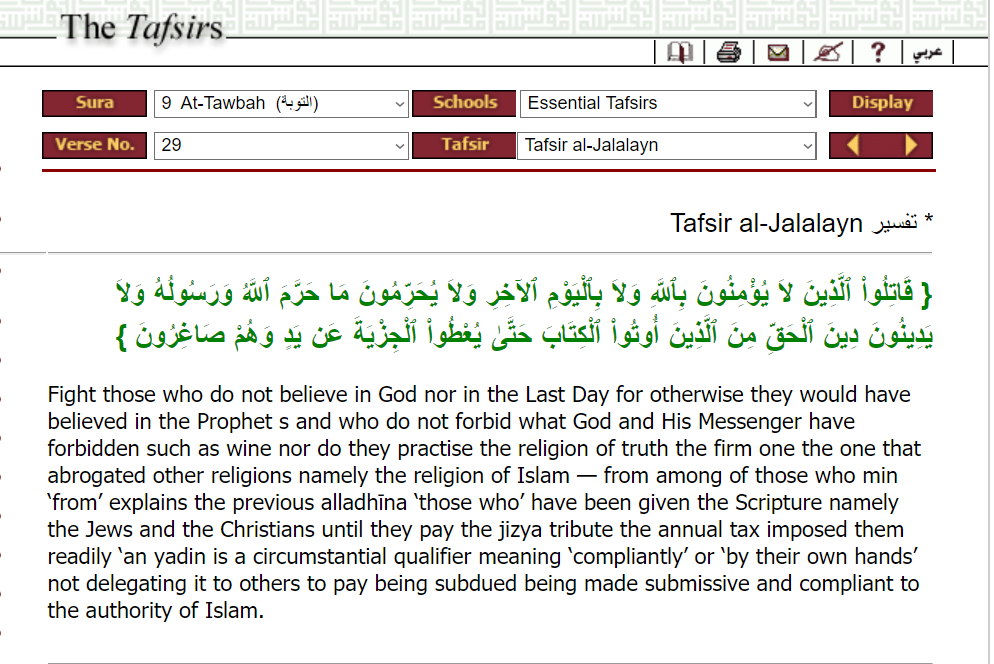
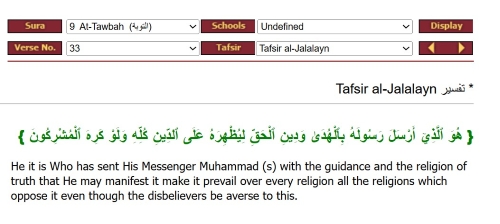
What is so peaceful and tolerant about the following verses?

Many Muslim communities have been making routine efforts to serve their communities and peacefully coexist with local Japanese residents. Some mosques provide free meals to people in need, engage in disaster relief efforts or sponsor community events and festivals for cultural exchange. Yet anti-Muslim sentiment has become notably conspicuous. In several parts of Japan, Muslim communities have reported opposition to or restrictions on their activities.
One simmering issue preceding the Fujisawa case is the burial cemetery issue. In Japan, 99.9 per cent of the deceased are cremated and public cemeteries in local cities normally do not have burial plots to serve the needs of religious minorities. Since the 1960s, Muslim associations have been trying to create private burial cemeteries, but have faced a mixture of xenophobic and ‘not in my backyard’ objections from local communities.
Muslims are helping out right now in order to win over the community as they bring more and more demands. There is nothing xenophobic about wanting to save your country from an attempted Islamic takeover. It is called cultural survival.
In response, Muslims have networked with Buddhist monks, who are trusted members of the local community, to create, share or sell space for Muslims in cemeteries they own. Muslims now enjoy access to around 10 burial cemeteries nationwide, many without friction with the local community. But there are no active, dedicated burial cemeteries for Muslims living in the Tohoku, Kyushu or Okinawa areas.SNIOAs I just said. Demands.
SNIP:
In Fujisawa’s case, the construction site for the mosque is a quiet, rural neighbourhood without regular contact with foreigners. Though the mosque organisers fully complied with Japanese laws to purchase land and obtain building permission, politicians and social media influencers used the case to gain popularity by promoting anti-immigrant rhetoric and spreading misinformation.
Once again, Muslims have turned the freedoms of a non-Islamic country into tools of Islam.
SNIP:
The rise in anti-Muslim sentiment shows how difficulties arise when the practical concerns over migration are left to local governments. With limited resources and little direction from the central government, some local governments are struggling to manage the increasingly complex challenges associated with migration. Hate is openly voiced — especially on social media — and in the absence of effective institutional support, migrants must often cope using their own informal mechanisms.
As Japan’s population becomes more diverse, the central government is being increasingly called upon to implement proactive measures. While the central government has refused to acknowledge that Japan is an ‘immigration country’, it can start with recognising that immigrants already form part of Japanese society. The government can also take legislative measures, such as drafting a basic law, to promote a multicultural society.
MultiCULTuralism with Islam is nothing more than Islamicide.

Since the Koran demands that polytheists be put to death instantly, without even having an opportunity to convert to islam, this single fact makes Islam incompatible with Japan. It seems that there are some pro-globalist politicians that are happy to sell out their fellow Japanese for a few dollars.
This article also highlights how passive non-violent religions are dangerous for the public that expects to be protected from threats such as islam. If it were not Islam, some other threat may come, even though I cannot imagine a threat that is worse than Islam.
With respect to Tibet, you can shrug your shoulders about their religion since it only affects them. But in this case, the Buddhists who are genuflecting to the hostile invaders are not a representative of their nation. Choosing to not involve yourself is also a choice. It is a cowardly choice. These Buddhists have no virtue in them. They are cowards and traitors to the Japanese. Non-violent protest while expecting your enemy to feel shame and shrink away did work for Gandhi. I don’t really care. My point in saying that is that you better not kid yourself about moslems and their dirty plans. They want to kill you, rape your kids and steal every single thing that you have.